

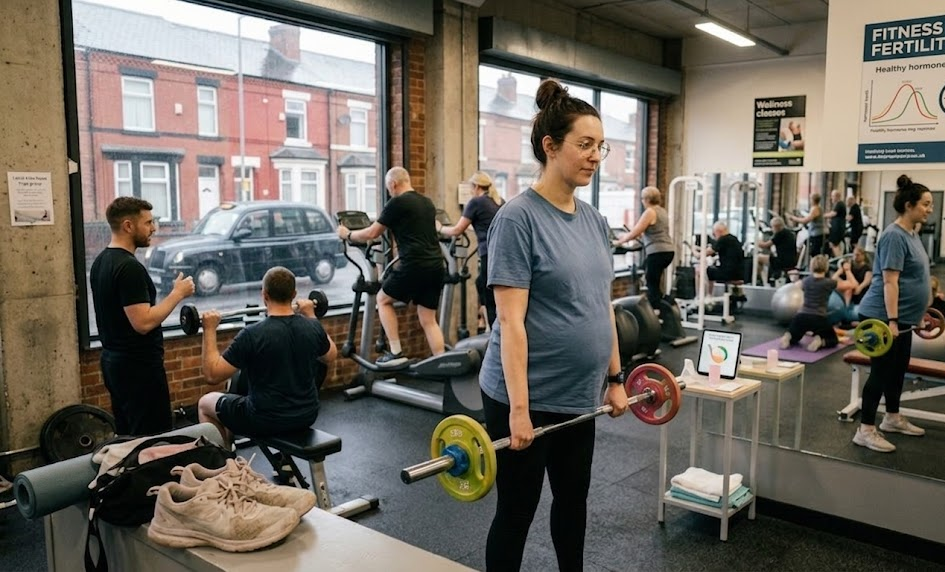
You have created a solid training plan. You go to the gym five times a week, run long distances on Sundays, and eat a healthy diet. Still, the pregnancy tests show only one line.
Several women in their 20s and 30s deal with this same frustration. They follow all the health guidelines but feel let down by their bodies.
Physical activity affects fertility more than many realise. Too much intense exercise, not enough movement, or even the wrong type of training can upset hormones, ovulation, and the menstrual cycle.
According to NHS Inform, about 1 in 7 couples in the UK have trouble getting pregnant. However, 80% of women under 40 become pregnant within a year of trying regularly. The gap between these groups usually comes down to daily lifestyle choices, including exercise.
At Shape Trainer, we are fully dedicated to helping you achieve your fitness goals with personalised, professional training solutions. In this article, we explain how your routine might impact your chances of getting pregnant and what changes you can make.
How Exercise Shapes Your Reproductive Health
Your body sees training as stress. Some stress is healthy and can improve strength and mood. However, if you push yourself too hard, it can upset your hormones. Cortisol levels rise, oestrogen levels drop, and ovulation may become irregular.
A recent report found that a Body Mass Index (BMI) of 18.5 equates being underweight, which can cause problems with getting pregnant or having a healthy pregnancy. Women who lose weight by not eating enough or by exercising too much face the same risk.
It’s also important to balance energy. If you burn more calories than you eat, your body can slow down reproductive functions to save energy. Body fat also affects this. If you stay below 18% body fat for too long, you might miss your period.
The ideal balance is in the middle, where exercise supports your menstrual cycle.
Warning Signs Your Training Needs Adjusting
Signals can be detected at both ends of the spectrum, showing a variety of activity that includes all levels. Here are a couple of warning signs that indicate your training needs adjusting:
Sign 1: When Your Routine is Too Intense
Missed or irregular periods are crucial signs of hormonal issues. If your menstrual cycle lasts more than 35 days or stops completely, this can indicate a problem. You may also feel low energy, have trouble sleeping, and experience soreness.
Other signs include the following:
- Ongoing injuries
- Mood swings
- Decrease in sex drive
Intense workouts, like daily HIIT classes, long spin sessions, or running over 50 miles a week, often contribute to these issues.
According to experts at Hull & East Riding Fertility, small, consistent changes to your routine often make the biggest difference. They encourage patients to focus on balance, recovery, and long-term health rather than pushing for extremes.
Sign 2: Your Recovery Is Lacking
Constant fatigue, poor sleep quality, or waking up tired are key indicators that your training volume or intensity is not sustainable. When you ignore rest, your body remains in a high-stress state. High levels of the stress hormone cortisol can directly interfere with the production of reproductive hormones, potentially suppressing ovulation. Your body needs time to repair tissue and replenish energy stores; otherwise, it prioritises survival over reproduction.
Adjustment: Aim for 7–9 hours of quality sleep per night. If you are already resting two days per week, ensure that at least one of those days is a completely passive rest day instead of an optional stretching day.
Sign 3: Your Energy Balance is Negative
Your body needs sufficient energy to maintain all life functions, and reproduction is often the first system to slow down when calories are restricted relative to activity. If you are consistently burning more calories than you consume, your body interprets this as a famine, and reproductive functions are reduced to conserve energy.
Warning Signs: You may be at risk if your Body Mass Index (BMI) falls below 18.5 or your body fat percentage drops below 18%. These conditions can cause your menstrual cycle to become irregular or even stop completely (amenorrhea).
Adjustment: Ensure you are eating enough to support your training volume. Focus on nutrient-dense foods and consume a balance of protein, complex carbohydrates, and healthy fats to maintain a healthy weight and body fat level.
A Fertility-Friendly Workout Week
Use this template to help you structure a balanced, fertility-friendly week. It’ll guide you through the steps needed to organise your ideas and communicate them clearly.
| Day | Activity | Duration |
| Monday | Strength, full body | 45 minutes |
| Tuesday | Walking outside | 40 to 60 minutes |
| Wednesday | Yoga or pilates | 30 minutes |
| Thursday | Strength, lower body | 45 minutes |
| Friday | Rest | Full Day |
| Saturday | Swimming or cycling | 30 to 45 minutes |
| Sunday | Rest or stretching | Optional |
Focus less on burning calories. Pay attention to how you feel after each session.
Quick Checklist to Assess Your Routine
Check this quick checklist as questions to assess your routine:
- Are your periods on time?
- Do you sleep well?
- Is your energy level steady?
- Do you rest at least two days each week?
- Are you eating enough to support your workouts?
If your answer is “no” two or more times, it means you need to change your routine.
What About Male Fertility and Exercise?
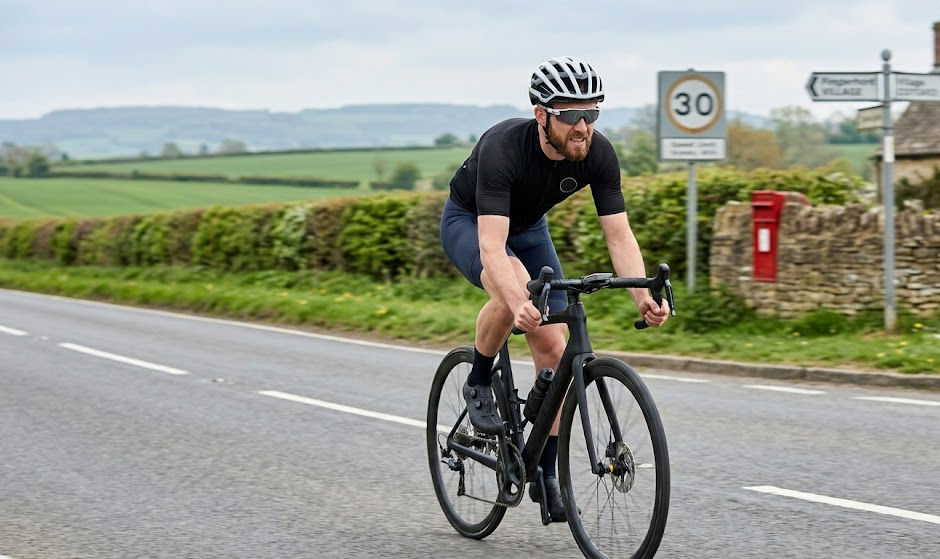
Men need to find a healthy balance for their bodies. Cycling for many hours each day, doing strong endurance training, and having very low body fat can reduce sperm count and quality. Instead, steady strength training, walking, and moderate cardio help support testosterone levels and reproductive health.
Conclusion
Making small and steady changes is better than making big, sudden ones. Adjust your training intensity to match your current fitness level. Pay attention to your body’s signals and make recovery a priority along with your workouts.Ready to train smarter while trying to conceive? Book a personalised consultation by contacting us at Sharp Trainer today and we’ll help you create a plan tailored to your goals.

