

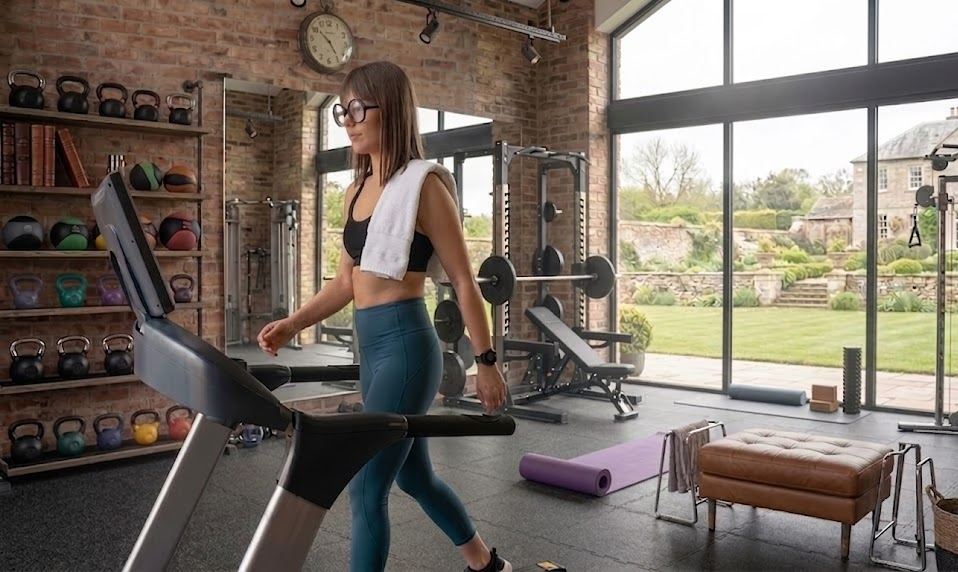
A yoga mat behind the sofa and a kitchen chair as a step-up bench have helped many people start working out at home. While these setups are convenient for beginners, they can only get you so far. As your fitness goals grow, so do your space needs.
In the UK, more homeowners are turning spare rooms, garages, and garden sheds into home gyms. This shift is a long-term investment in health and eliminates the hassles of commuting to the gym, dealing with crowded weight rooms, and waiting for equipment.
Money also plays a role. According to PureGym, 44% of people in the UK are cutting back on fitness spending due to increasing costs. Setting up a home gym is a one-time investment that eliminates monthly fees, offers privacy, and lets you work out whenever you want.
Your fitness goals deserve a space that matches your ambitions.
At Shape Trainer, we are fully dedicated to helping you achieve your fitness goals with personalised, professional training solutions.
The Mental Edge of Training in Your Own Space
Having a dedicated space for exercise can help your mind focus better. When you enter a room meant for working out, your brain gets ready for that activity more quickly. Trying to work out in the same space where you relax on the sofa brings distractions and makes it challenging to get into the right mindset.
A workout room eliminates those distractions. As soon as you step inside, your brain knows it’s time to exercise. This clear signal leads to:
- Better focus
- Stronger workouts
- More consistent habits over time
This isn’t just for luxurious gyms. For busy professionals who usually train early in the morning or late at night, being mentally ready can make a significant difference between having a productive workout and a less effective one.
A recent UK Active report found that 72% of people with mental health conditions feel that physical activity helps them stay well. Creating a space that removes obstacles to getting started makes it much easier to show up regularly. This consistency is where the real long-term benefits come from.
How to Plan Your Workout Space
Start measuring the available floor space accurately and deciding the main type of training you will do. A space for heavy lifting requires different planning than one for yoga, pilates or cardio.
Ask these questions before spending any money:
- What type of training will you do most often?
- How much space do you need to move safely?
- Will the structure hold the weight of the equipment?
Make airflow and natural light a priority early in your planning. A space without good ventilation feels stuffy fast, which can reduce motivation. Natural light makes the space more inviting and lessens the need for artificial lighting during daytime sessions. Place the space near a window or add ventilation panels to the structure.
Invest in a Sturdy Foundation
When you are planning a permanent workout space, the quality of the structure is just as vital as the equipment inside. A standard garden shed often lacks the floor strength and durability needed for a home gym. Choosing a heavy-duty timber building from a bespoke manufacturer like Elfords ensures that your private studio is built to last and can safely support the weight of your fitness gear for years to come.
What to Add for a Professional Feel
Once the structure is in place, specific finishing touches will elevate the functionality of the room. Here’s what you need to add for a professional feel:
1. Mirrors
Incorporating mirrors into your home gym is highly beneficial. They help you see your form and make corrections in real-time during each rep. Mirrors also make the space feel larger and more professional.
For clearer guidance on sizing and positioning, explore this home gym mirror guide that covers what to look for before you buy.
2. Sound
Sound is more important than most people think. An integrated sound system, or even a simple Bluetooth speaker at head height, produces better sound than a phone merely leaning against the wall. The right playlist at the right volume can genuinely boost your performance.
3. Flooring
Good flooring protects your equipment and the area beneath it. Rubber flooring absorbs impact, reduces noise, and provides grip for dynamic movements. For areas where you do heavy lifting, invest in interlocking rubber tiles that are designed for gym use.
Essential Equipment for Smaller Spaces
You do not need a full rack-and-cable machine for a home gym. In small spaces, smart equipment choices can give you a complete workout without taking up too much room.
| Equipment | Best For | Space Required |
| Adjustable dumbbells | Strength and toning | Minimal |
| Resistance bands | Full body training | Almost none |
| Pull-up bar (door-mounted) | Upper body strength | No floor space |
| Folding bench | Pressing and support | Folds flat when not in use |
| Kettlebell set | Functional training | Small footprint |
Adjustable dumbbells replace a full set of fixed weights. They provide a wide range of resistance while taking up very little space.
Resistance bands are often ignored, but they are great for any gym. They add variety, help with mobility, and provide progressive resistance that works for both beginners and experienced athletes.
Conclusion
A home gym provides the consistency that a commercial gym often can’t offer. Without the commute and the wait for equipment, you can work out stress-free whenever it fits your schedule. It becomes a workout space designed just for you and available whenever you feel motivated.
To succeed, start with a clear plan: choose your training style first, then select the right equipment. The goal is to create a space that encourages daily workouts and supports long-term progress.Ready to take the next step? Get in touch with us, and we will help you build a training plan tailored to your space and goals.

